A new website, a virtual museum and videos
A first look at the new website and virtual instrument museum, a CD restock, and four performances on historical instruments.
Dear friends,
At long last, I have completely revamped my website!
You can still find my website at andersmuskens.com, and you can now also reach it at andersmuskens.art. I kept coming back to one phrase while working on the redesign: “Weimar Klassik meets Apple Store.” I wanted the colours and ornament of the late eighteenth century, with enough space around them to make the site easy to use.
You can browse my upcoming concerts, recordings and research, or go straight to the instrument collection. Here are a few things I’d love for you to explore.
You can also view my upcoming concerts: one of which is in Kiebingen (near Tübingen). On Saturday, 28 November, I’ll be at Café Drei König at 19:30 for a programme of Haydn variations and sonatas. Admission is free, and donations are welcome. If you’d like to join me, you can register directly at the café or find the details in the concert listing.
And a full discography with links to listen to all of my recordings via streaming, or to purchase CD's.
The record shop is open
With a new website comes a new storefront!
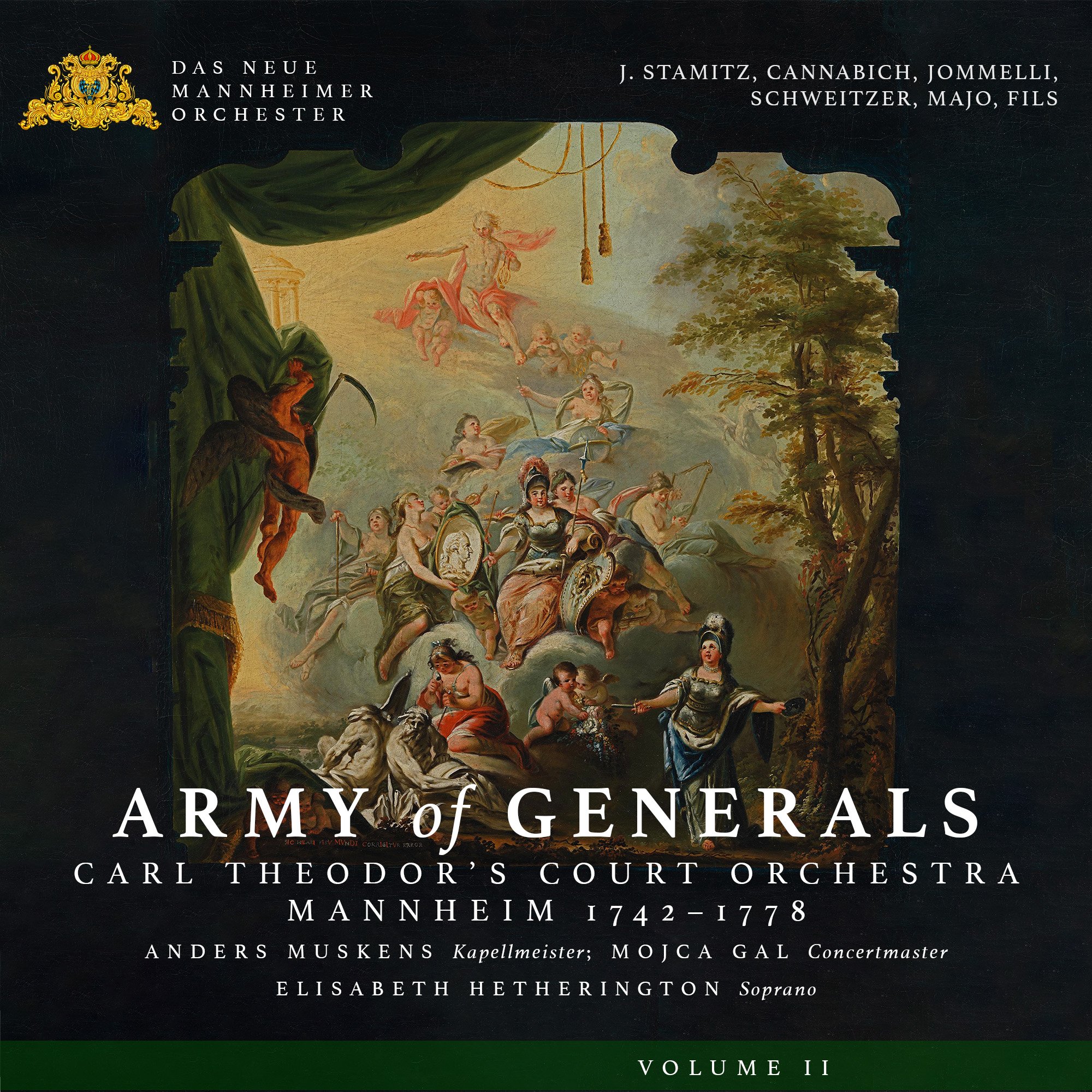
We now have fresh copies of Army of Generals, Vol. II on CD. The album explores the music written for Carl Theodor’s court orchestra in eighteenth-century Mannheim. If you’ve been waiting for a physical copy, the CD is back in the new record shop.
On this volume, Das Neue Mannheimer Orchester plays three symphonies by Anton Fils, Johann Stamitz and Christian Cannabich. In between, soprano Elisabeth Hetherington sings arias by Jommelli, de Majo and Schweitzer.
Step inside the virtual instrument museum
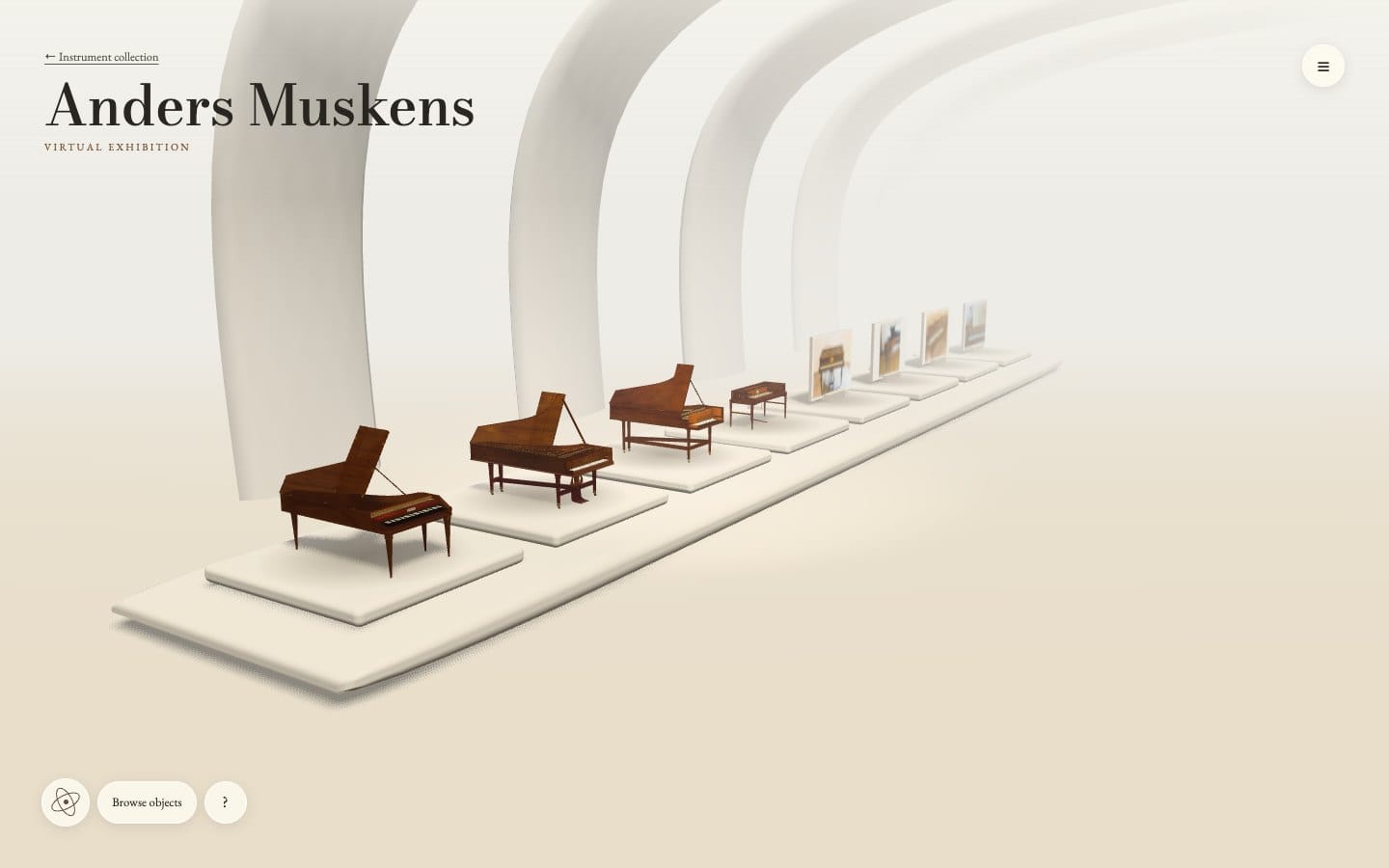
Along with a new site comes new, innovative features! I wanted to create a more exciting, interactive way to explore historical keyboard instruments on my website.
My new 3D virtual museum is now live. Walk through the gallery, look closely at historical keyboard instruments and select an exhibit to learn about its maker and history. Listening examples included! This screenshot above shows the gallery as it appears when you arrive.
You can start with the gallery overview or use “Browse objects” to jump straight to a keyboard that catches your eye. Take a moment to compare the shapes of the instruments and the way their makers laid out the keyboards.
*Disclaimer: The models of the instruments in the collection were created with 3D scans. However, some details may not be accurate in the 3D models. Please refer to photographs, or contact me if you have any questions about any specific details.
Four performances now on YouTube
Two of these recordings are for solo keyboard and two are with clarinettist Elia Celegato. I hope you enjoy hearing how the instruments shape each performance.
Georg Benda’s Sonata No. 1 in B-flat major (1757)
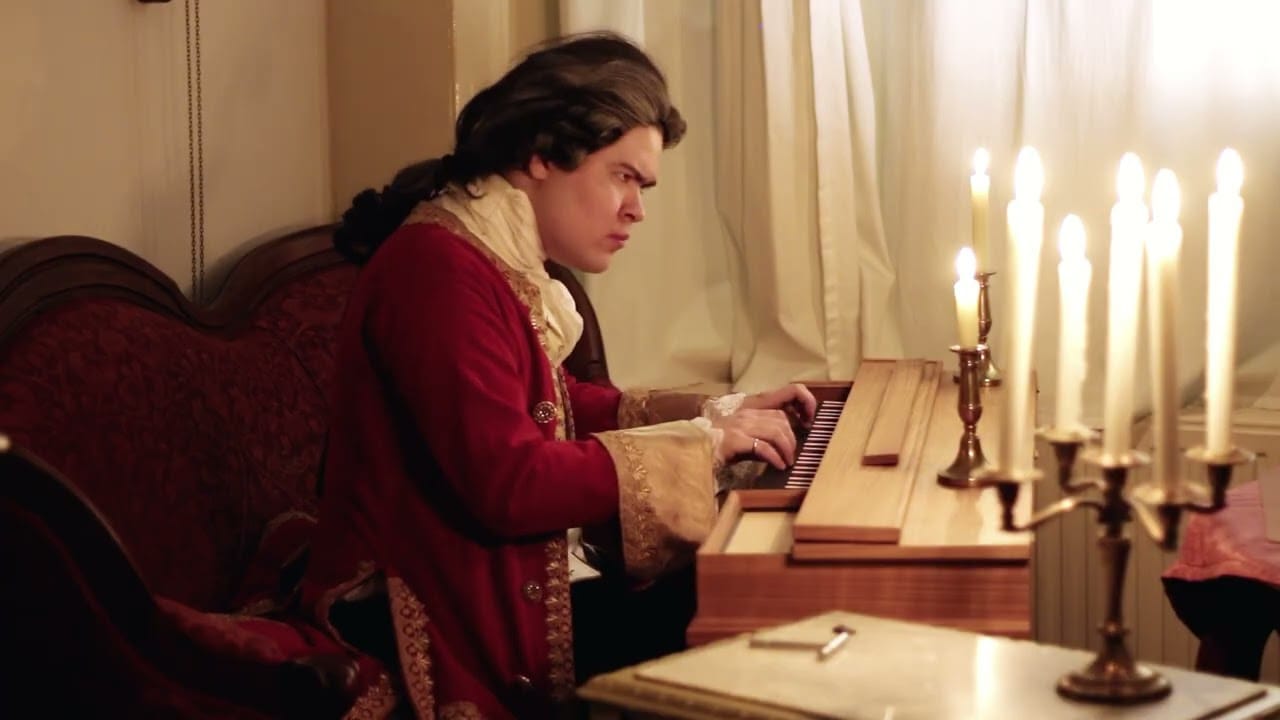
I play Georg Anton Benda’s Sonata in B-flat major on a small, fretted clavichord. The sonata is the first in his collection of six keyboard sonatas published in Berlin in 1757. Benda (1722–1795) served for many years as Kapellmeister at the court of Gotha and was greatly admired by Mozart. Writing to his father in 1778, Mozart described Benda as his favourite among the Lutheran Kapellmeisters, adding that he loved the melodramas Ariadne auf Naxos and Medea so much that he carried them with him. There is something of that theatrical instinct in Benda’s keyboard writing, too: the sense that a phrase can speak, hesitate, or change its emotional direction.
To my ears, his sonatas belong to the expressive world of the North German keyboard tradition, combining sensitivity and animation with considerable refinement and taste. They share something of Carl Philipp Emanuel Bach’s musical language, though Benda often speaks with a more direct, less enigmatic eloquence.
Carl Philipp Emanuel Bach’s Sonata in E minor, Wq 59/1
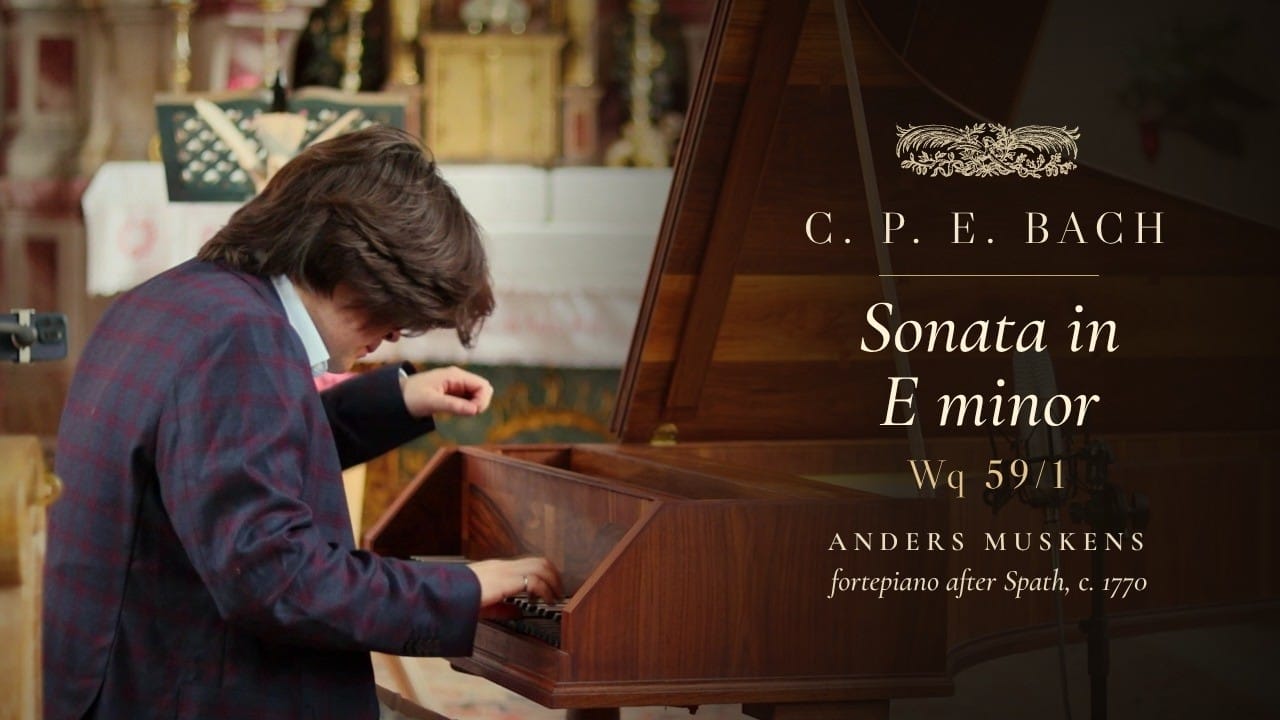
For this sonata I’m playing a fortepiano after Spath (c. 1770) made at the Greifenberger Institute. Bach wrote this sonata in Hamburg in 1784, near the end of his life, for the fifth of his six collections “for connoisseurs and amateurs”. It is a short work, but a restless one. The Presto doesn’t end so much as stop, and the music goes straight into a free, searching Adagio. That in turn opens into the Andantino, which closes the sonata softly and unexpectedly instead of with a brilliant finale. Few sonatas of the time end this way, and it suits Bach’s idea of music as speech: the listener is drawn in and kept guessing, and the sonata ends softly, without a grand final word.
Spath’s instruments were praised in Forkel’s Musikalischer Almanach for 1782 among the best keyboard instruments made in Germany. This reconstruction has a simple Stossmechanik without escapement. It is demanding to play, but its sound is direct and speaking, and every change of touch is audible. That suits music like this, which depends on sudden contrasts and fine shades of expression.
Mendelssohn’s Clarinet Sonata in E-flat major
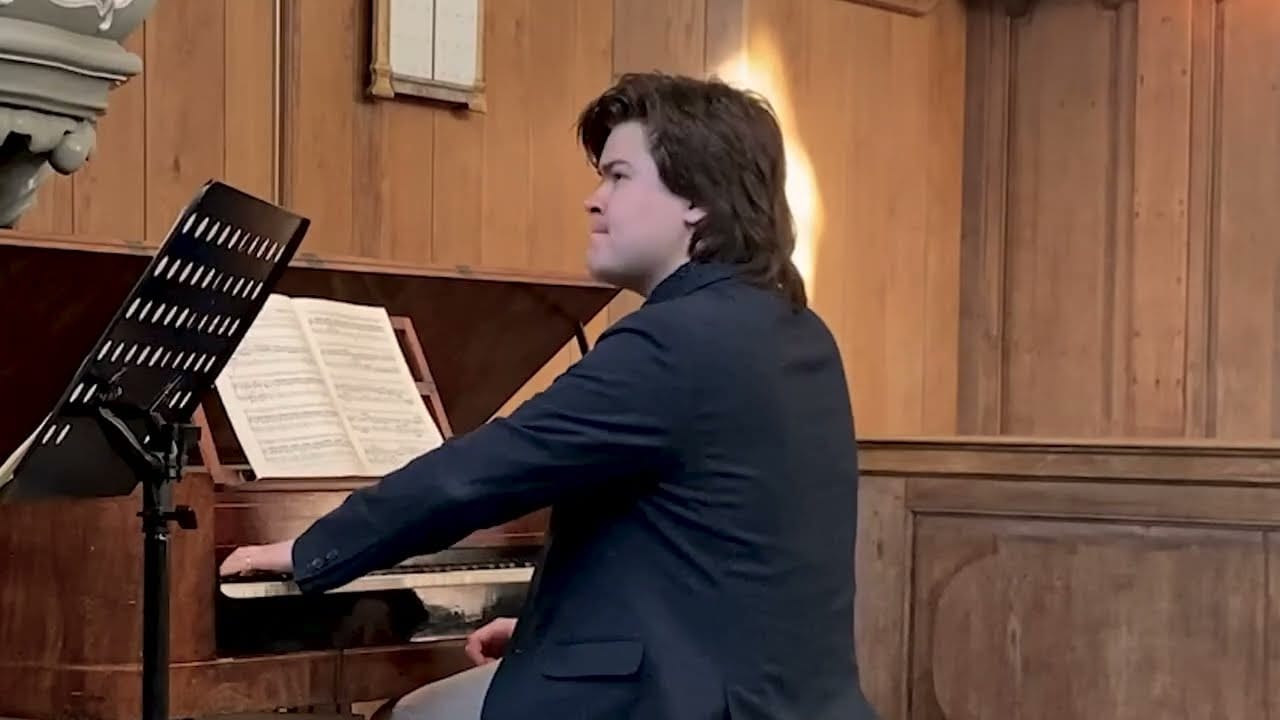
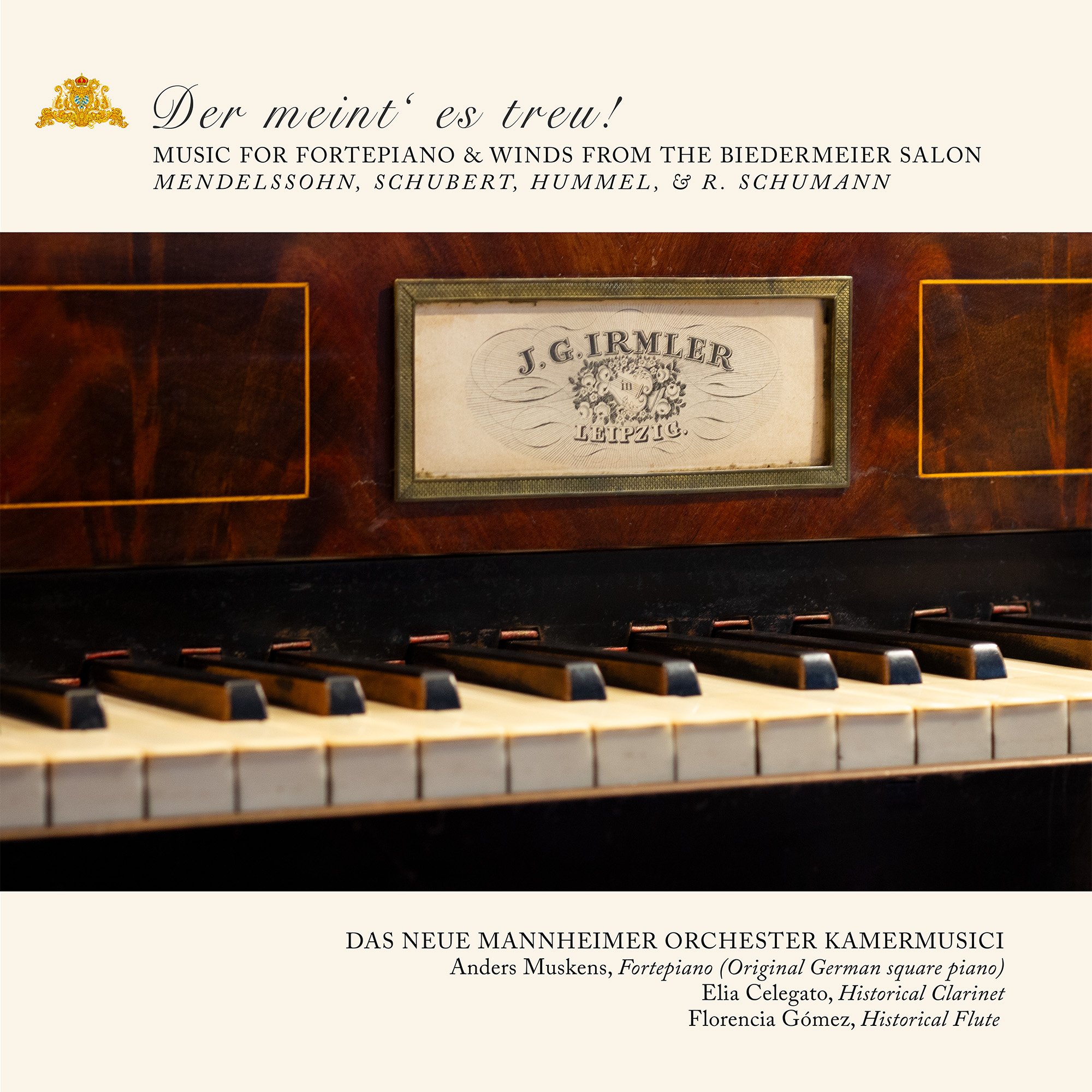
I join clarinettist Elia Celegato for Mendelssohn’s Sonata in E-flat major, written in 1824, when the composer was just fifteen. This early work already reveals his gift for lyrical melody and his sensitivity to the interplay between instruments. For this recording, I play an original square piano made by Johann Gottlieb Irmler in Leipzig in 1823, almost exactly contemporary with the sonata. Its Viennese action encourages fine distinctions of touch and articulation, bringing lightness to the passagework and definition to the musical dialogue. Square pianos were familiar instruments in nineteenth-century homes, where much chamber music was played and enjoyed among friends. Choosing an instrument of this kind connects the performance with that intimate setting.
Schumann’s Fantasiestücke, Op. 73
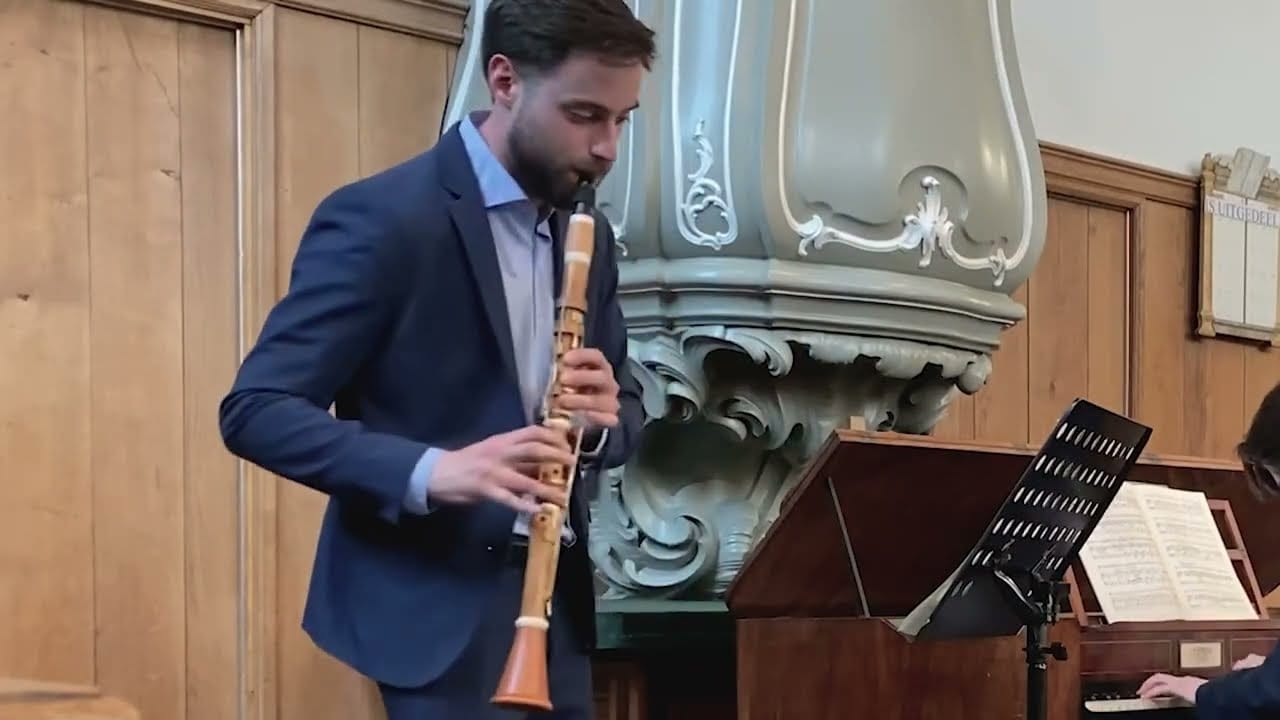
Elia Celegato and I also recorded Schumann’s Fantasiestücke, Op. 73, three pieces for clarinet and piano composed in February 1849. We perform on historical instruments, pairing Elia’s twelve-key clarinet by Rudolf Tutz with the original Irmler square piano of 1823. For me, this is an appealing way to approach Schumann’s chamber music: attentive to its intimacy, but also to the intensity of feeling contained within it.
This video comes from the recording sessions for our album Der meint’ es treu! — Music for Fortepiano & Winds from the Biedermeier Salon. More information may be found below.
 Anders Muskens
hanks for listening,
Anders